
Reading a River
What does a fly fisherman see that I don't?
Boulder River, Montana
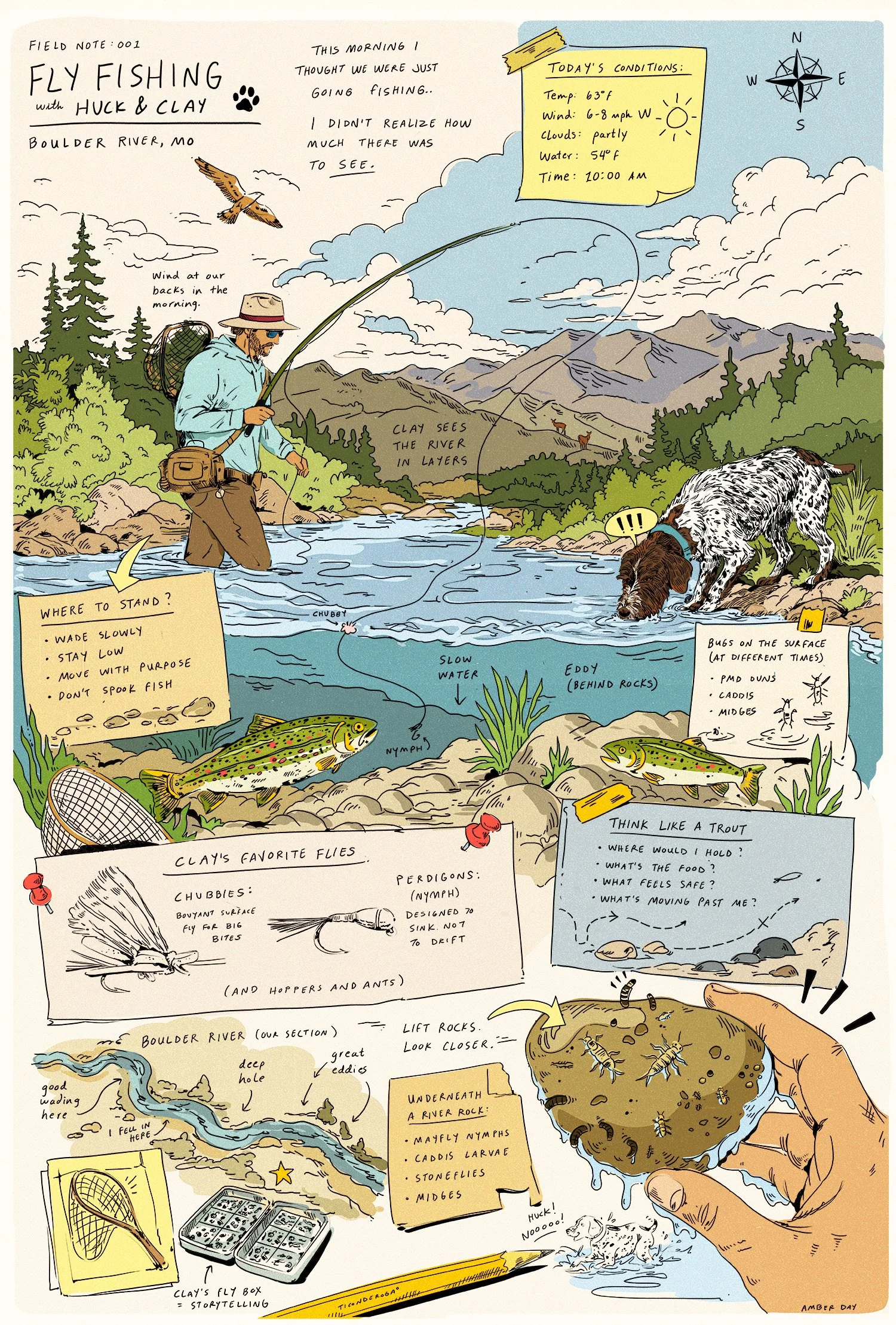
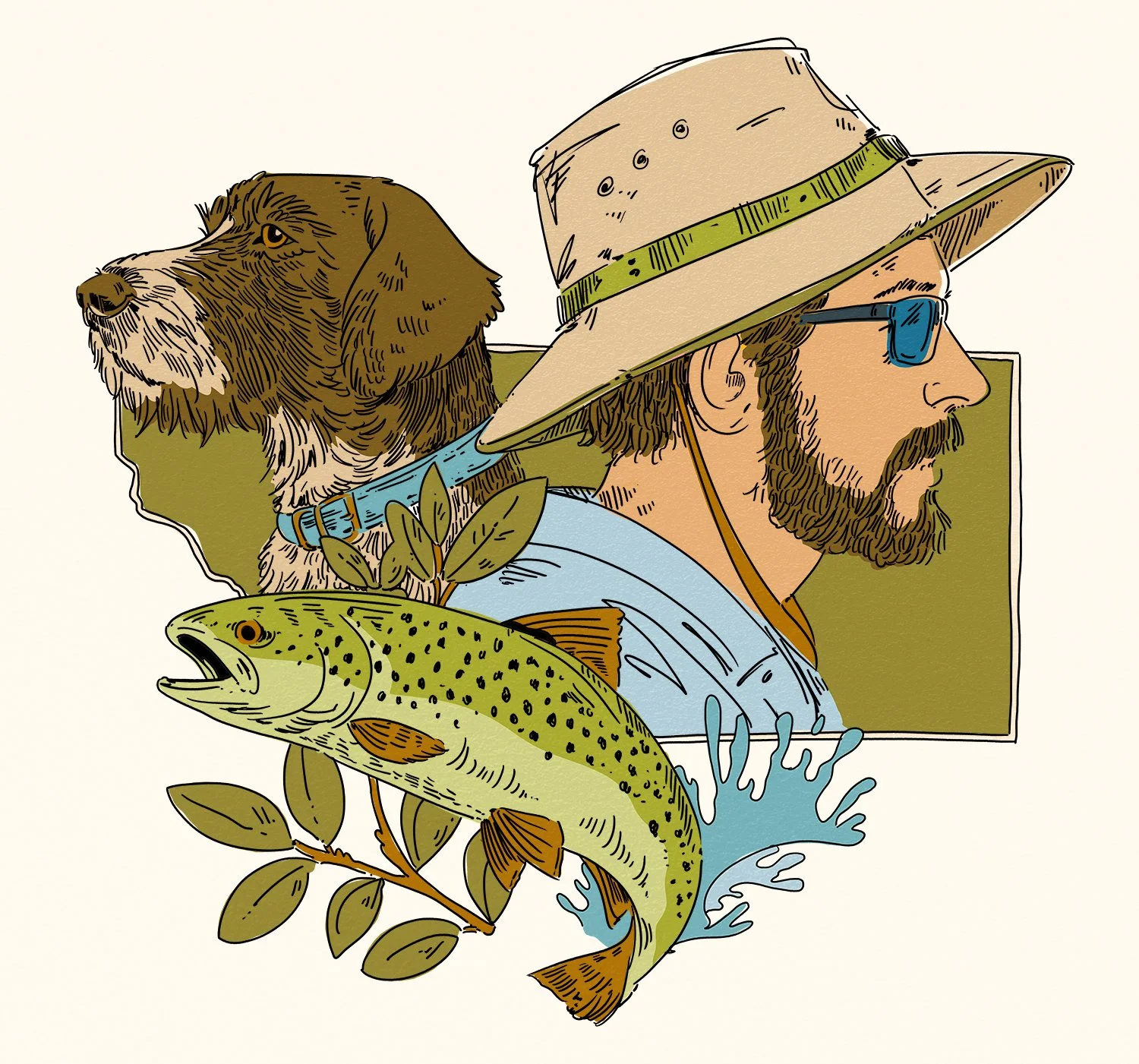
I met Clay through friends in Livingston. He has been fly fishing Montana rivers for years and is usually accompanied by Huckleberry, his wirehaired dog and enthusiastic inspector of living things, dead things and anything else worth smelling. Around 9am we picked up breakfast burritos and drove toward the Boulder River, where I climbed into a pair of borrowed lime-green water shoes and prepared for my first real attempt at fly fishing. Before we even stepped into the water, Clay was already fishing. He was checking the temperature, clouds, wind, time of day, speed of the current and insects on the surface. He turned over rocks to see what was living underneath them. He looked for places where fast water met slow water and considered where a trout could sit without burning unnecessary energy.
I looked at the Boulder and saw a river. Clay saw information.. and suddenly the day became less interesting to me as a fishing lesson and much more interesting as an experiment in perception.
Think Like a Trout
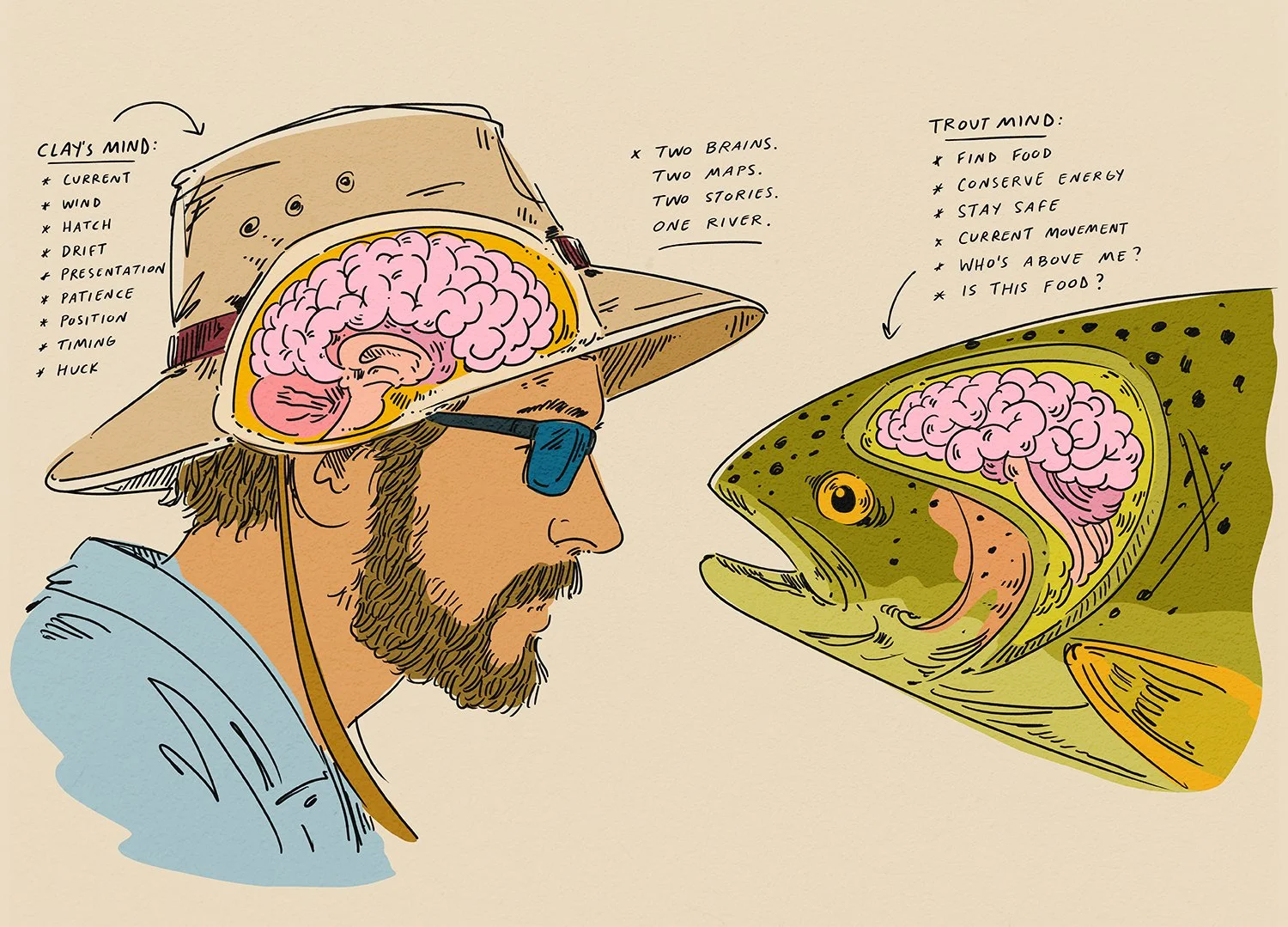
To catch a trout, Clay has to construct a surprisingly detailed model of a creature whose brain is nothing like his own. A trout is balancing a few basic problems at once: find food, conserve energy, stay oxygenated and avoid becoming food. That affects where it sits, what it watches and what it's willing to chase.
So Clay isn't simply asking, Where are the fish? He's asking where he would be if he were the fish.
A seam between fast and slow water might mean very little to me, but to a trout it can be a place to conserve energy while food is delivered by the current. A submerged rock creates an eddy. Depth provides protection. Insects appearing on or underneath the surface offer clues about what the trout might currently recognize as food.
And suddenly the tiny flies Clay carried made much more sense…
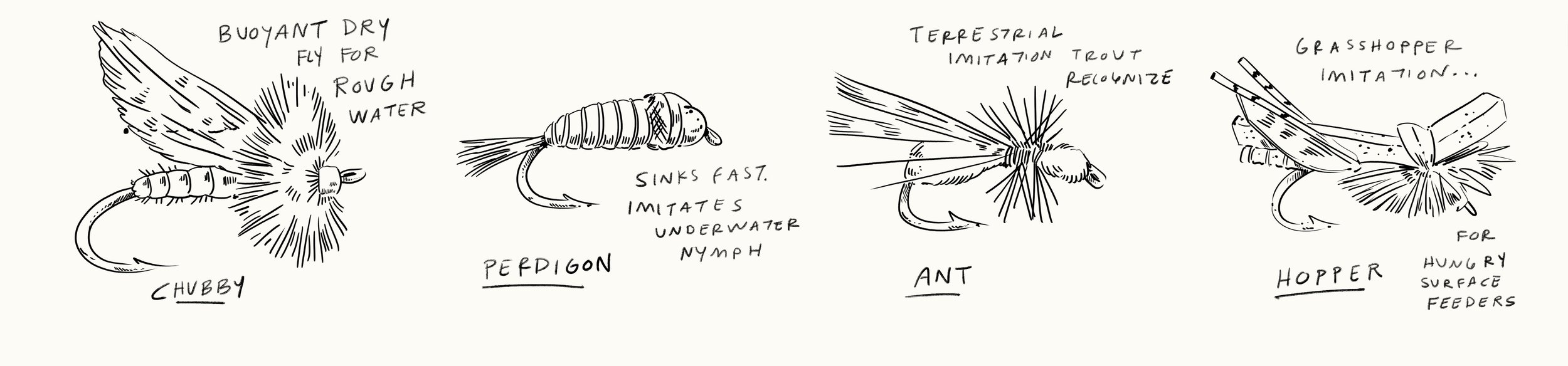
They weren't just different-looking lures. They were different answers to a constantly changing question:
What would a trout believe right now?
The more Clay explained, the more the river began breaking apart into layers. Surface. Current. Depth. Rocks. Insects. Fish. Weather. Movement.
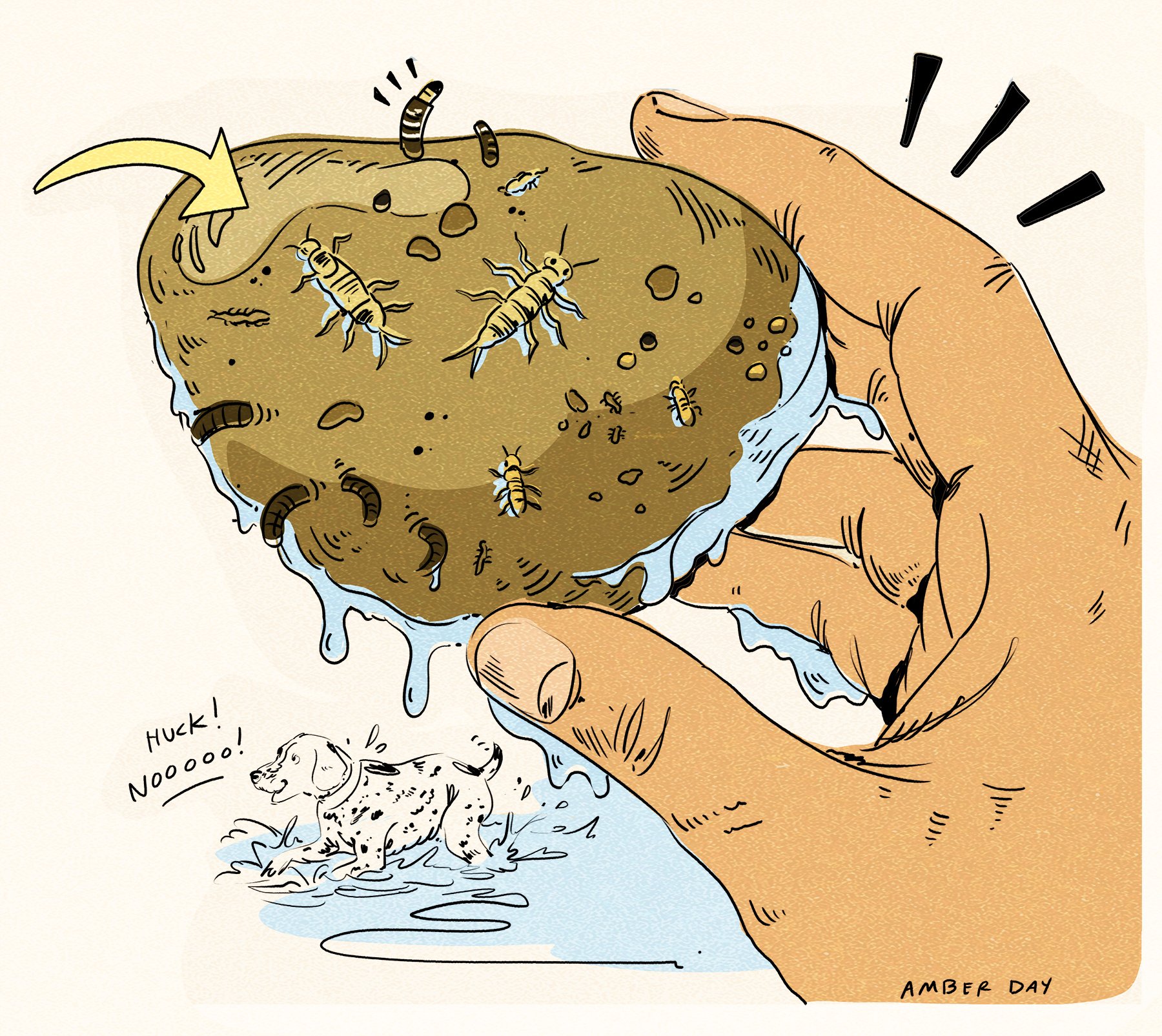
At one point he reached into the river and flipped over a rock.
There was an entire world underneath it: nymphs, larvae and tiny aquatic insects I'd been standing inches away from without knowing they were there.
Nothing about the river had changed.
My perception of what it was had.
Even a mayfly, something I previously would have filed mentally under small bug, was actually moving through an entire life cycle in and around the river. The particular life stage matters because the trout are responding to what is actually happening in their environment at that moment.

This is what started to fascinate me. Expertise might not simply be knowing more facts. It might be knowing what deserves your attention the most in that moment.
Same River, Four Worlds
Meanwhile, Huck was conducting an entirely different field study.
While Clay studied currents and I studied Clay studying currents, Huck investigated smells, sticks, carcasses, bushes, mud and several objects of questionable biological origin.
And somewhere in there I realized there were at least four different Boulder Rivers happening simultaneously.
The trout inhabited a world organized around current, hunger, shelter and threat. Huck's seemed to be constructed largely from scent. Clay saw weather, water, insects, structure and fish. And I was beginning the day with approximately: pretty river, big rocks, please don't fall down.
Same physical place. Completely different worlds of attention.
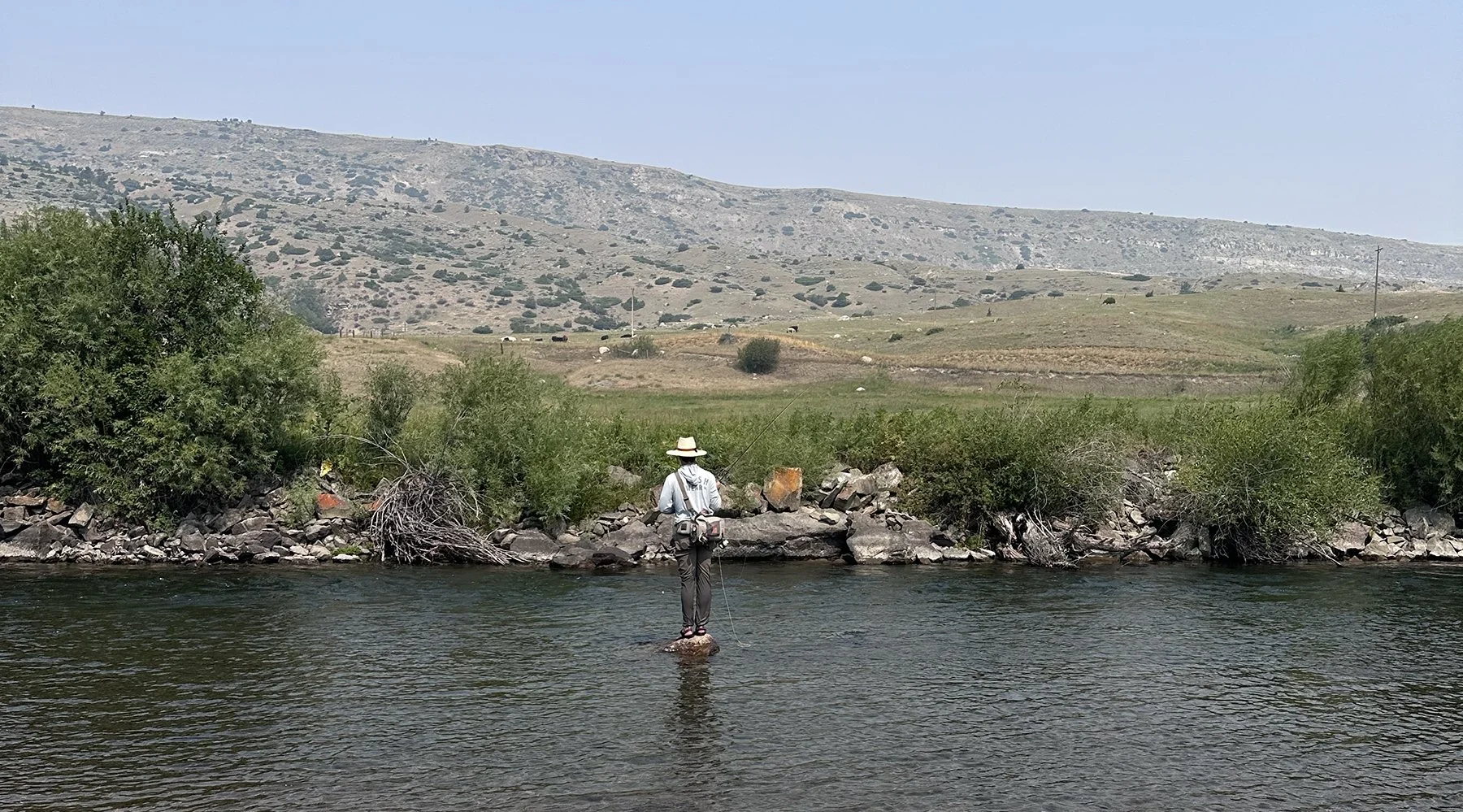
By the afternoon, Clay wasn't consciously listing every variable before making a decision. He would look, move, cast, wait, change something and try again. Years of experience had turned information I couldn't even detect into something almost intuitive. I was watching a man become the river.
I've started wondering whether this happens whenever we learn something deeply. A birder enters a forest where I hear "birds" and hears each species individual pitch. A mechanic notices a sound in an engine before I know there's a sound to notice. A rancher reads an animal's posture. Clay steps into moving water and sees structure.
Learning may not necessarily give us a different world.
It gives us more of the one that's already there.
At the beginning of the morning, the Boulder River was beautiful. By the end, it was still beautiful, but there was considerably more of it. I thought Clay was going to teach me how to catch a fish. Instead, for a few hours, he taught me how to see the world from the eyes of one.
And, eventually, we did catch a fish... Huck took all the credit.